Real Estate Portfolio Management Strategy : Turning Property Data Into Better Choices


A well-structured home portfolio involves more than merely possessing multiple assets. Effective homeowners increasingly give attention to consistent performance, structured operations, and long-term planning to build tougher foundations for growth. A practical real estate portfolio management strategy brings these goals together by providing property homeowners a structured framework for analyzing resources, improving performance, and identifying opportunities. Innago helps independent landlords with technology that will support organize essential home management activities within a modern digital environment.
Why Portfolio Strategy Matters
A portfolio strategy generates a broader perspective on house ownership. In place of evaluating every advantage independently, homeowners can study how attributes interact and how each one of these adds to overall objectives.
This process can provide better clarity when researching rental performance, running fees, occupancy designs, maintenance demands, and future opportunities. An extensive see can help homeowners build choices around the efficiency of the whole portfolio.

Using Mid-Year Data to Set New Priorities
The center of the entire year offers an invaluable position for reviewing progress. Home owners can study the results achieved throughout the initial the main year and use those insights to identify things for the rest of the months.
Researching income, expenses, occupancy, maintenance task, and detailed trends may reveal where in actuality the portfolio is doing strongly. These observations can help guide potential improvements while sustaining interest on the assets which can be presently providing good results.
Building a Data-Focused Management Process
Data is becoming significantly essential in contemporary property management. Organized information will help owners realize financial and working patterns across multiple assets.
A data-focused process may include researching hire revenue traits, property-level expenses, occupancy performance, preservation frequency, and other relevant indicators. When this information is consistently preserved, it becomes easier to examine attributes and realize opportunities for improvement.
Electronic engineering may make this technique more useful by reducing information recordkeeping and getting information into accessible systems.
Improving Operational Efficiency
Efficient operations are a significant section of sustainable portfolio management. Repeated administrative actions may eat up considerable time when treated personally, particularly as the amount of properties increases.
Technology-supported workflows might help simplify routine responsibilities. Electronic methods can help with coordinating house information, coordinating management activities, sustaining files, and promoting communication.
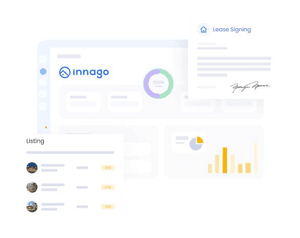
Innago offers independent landlords with home management technology made to make daily operations more arranged and manageable.
Creating Scalable Systems
A strategy must be capable of supporting potential growth. House homeowners who build consistent management processes early can produce a tougher basis for adding new assets later.
Scalability suggests establishing methods that remain of good use while the portfolio becomes larger. Consistent financial checking, organized files, efficient communication, and standardized workflows will make portfolio expansion simpler to manage.
Development becomes more sustainable when detailed methods build along with the investment portfolio.
Balancing Performance and Opportunity
Portfolio management involves both maintaining active efficiency and realizing new opportunities. Homeowners can consider which qualities are making strong benefits while also contemplating wherever changes could develop extra value.
That balanced approach may support clever decision-making without dropping sight of long-term goals. House improvements, detailed upgrades, tenant experience innovations, and future acquisitions may all become section of a broader growth plan.
Technology and the Next Stage of Portfolio Management
Digital property management continues to reshape how separate homeowners manage their investments. Cloud-based information, computerized procedures, centralized records, and accessible confirming can offer larger awareness across portfolios.
These capabilities might help homeowners spend less time organizing administrative details and additional time considering proper opportunities. As engineering advances, portfolio management is likely to become significantly linked and data-driven.
Conclusion
A solid real estate portfolio management strategy provides a organized base for sustainable property growth. Mid-year performance opinions, organized information, successful operations, scalable techniques, and thoughtful preparing might help homeowners reinforce existing portfolios while preparing for future opportunities. With Innago providing useful engineering for independent landlords, house owners may approach day-to-day management with greater business and strategic clarity. Mixing efficient preparing with today's technology creates a positive pathway toward stronger portfolio efficiency and long-term real estate growth.